

Car wraps have become a popular way to give vehicles a fresh new look without the commitment of a permanent paint job. But what materials make up these colorful and protective wraps? In this blog post, we’ll break down the different materials used in car wraps and what makes them suitable for this creative transformation.
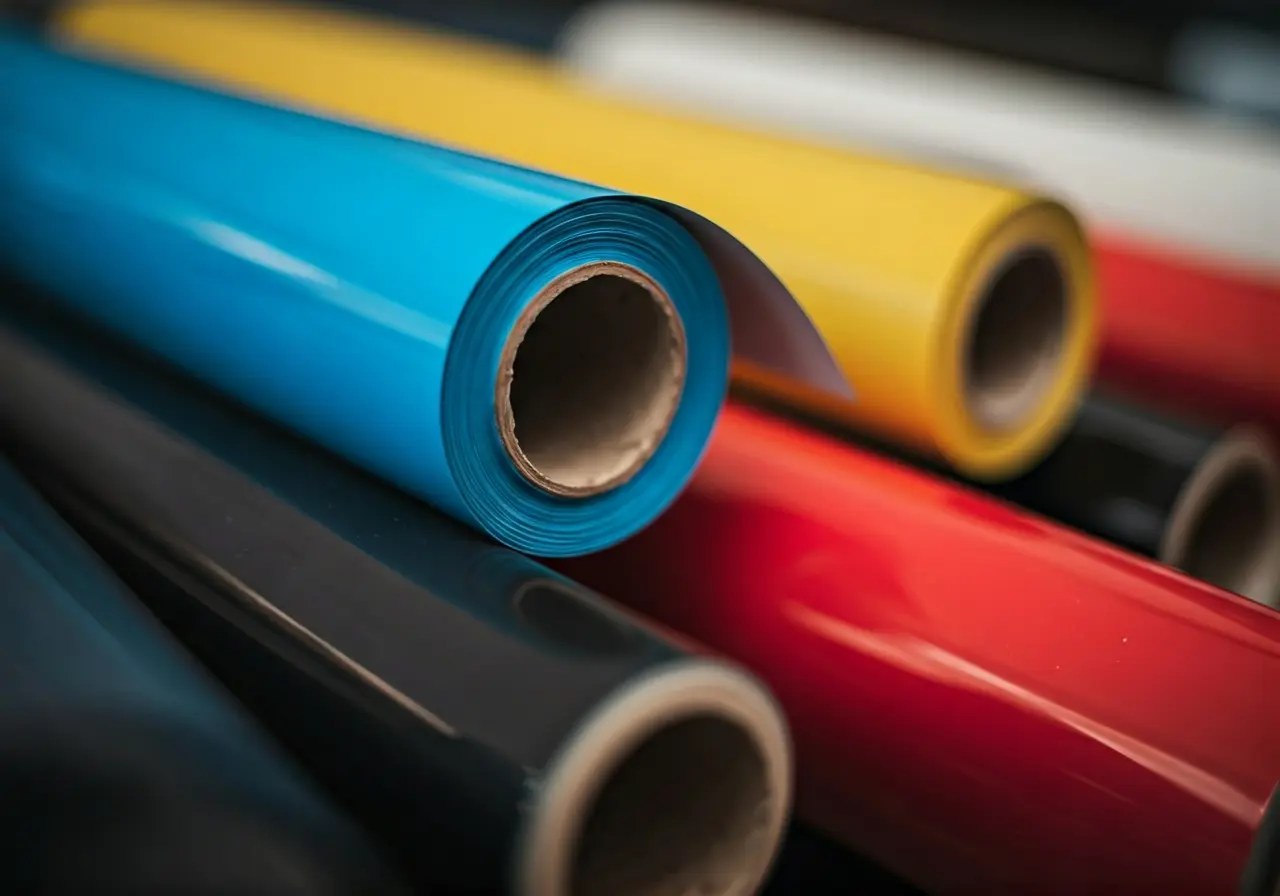
Vinyl: The Primary Material
Vinyl is the most commonly used material in car wraps. It’s flexible, durable, and available in a variety of textures and finishes. This versatility allows for a range of design possibilities, from matte to glossy finishes.
But why vinyl? The answer lies in its structure and properties. Vinyl, made from polyvinyl chloride (PVC), offers an excellent balance between cost and performance. It is not only robust and long-lasting but also relatively easy to print on, providing crisp graphics and vibrant colors.
One of vinyl’s biggest strengths is its adaptability. Whether you’re looking to give your car a subtle, clean look or a bold, eye-catching graphic, vinyl wraps adapt to the shape and contours of your vehicle, ensuring a seamless application. This adaptability is what makes vinyl the favorite among car enthusiasts and professionals alike.
Adhesives: The Secret Behind Durability
High-quality adhesives are crucial in ensuring that car wraps stay securely in place without damaging the vehicle’s original paint. These adhesives are designed to withstand the elements while allowing for clean removal.
The magic behind the stickiness is in the pressure-sensitive adhesive technology. This allows the wrap to adhere firmly to the vehicle surface upon application, while still enabling readjustments during the installation process. The adhesive strengthens over time, creating a robust bond without harming the underlying paint when removed.
Laminates: Protection and Longevity
Laminates are thin, transparent films applied over the vinyl to protect it from UV rays, scratches, and other environmental damage. They help extend the life of the wrap, maintaining its appearance longer.
A well-applied laminate not only preserves the integrity of the print but also adds to the aesthetic element. For instance, paired with a matte vinyl wrap, a glossy laminate can create a striking contrast, enhancing both depth and shine.
By offering additional protection, laminates reduce the wear and tear typically associated with day-to-day driving. This is especially important if you’re using your car wrap for brand promotion, as you’ll want it to stand out and maintain its impact over time.
Specialty Materials: A Touch of Unique Flair
For those looking to stand out, specialty materials like chrome, carbon fiber, and translucent films are popular choices. These materials bring unique visual effects and textures to vehicle wraps, offering a personalized touch.
Chrome wraps set a car apart with their mirror-like finish, creating a futuristic and polished look. In contrast, carbon fiber wraps add a sporty edge, emulating the complex texture of carbon panels used in high-performance vehicles.
Last but not least, translucent films can be used for an artistic approach, allowing underlying graphics to subtly show through. These materials cater to those who prefer an innovative design, creating a sense of depth and intrigue every time the light hits them.
Conclusion
Understanding the materials used in car wraps helps in making an informed decision when choosing the right type for your vehicle. From vinyl to adhesive technology, each material plays an essential role in delivering both aesthetic appeal and durability. Now, armed with this knowledge, you can confidently select a car wrap that suits your needs and style. Visit LA Auto Wraps for expert advice and options tailored to your preferences.

