

Are you considering a makeover for your vehicle and wondering if auto wraps could be a budget-friendly alternative to traditional repainting? You’re not alone! Many car owners are exploring this option for various reasons. Let’s dive right in and explore whether auto wraps can truly be a cost-effective solution.
Understanding Auto Wraps
Auto wraps are essentially large vinyl decals or graphics applied over the paint of a vehicle. They are crafted to precisely fit every curve and contour of your car, offering not only aesthetic enhancements but also providing a layer of protection against minor scratches and UV damage.
Applying an auto wrap involves meticulous preparation of the vehicle to ensure a smooth and lasting finish. The vehicle is cleaned and the surface is inspected for any impurities or imperfections that could interfere with the wrapping process. This ensures the wrap adheres correctly and maintains its appearance over time.
The materials used for auto wraps vary but commonly include high-quality vinyl which can mimic the look of paint or offer unique finishes not possible with traditional methods. This variability in material allows for endless customization options tailored to individual tastes and preferences.
Cost Comparison: Auto Wraps vs. Repainting
The cost of auto wraps can fluctuate depending on the complexity of the design and the quality of materials used. Generally, a full vehicle wrap tends to be more cost-effective than a full repaint, especially when considering the high-quality finishes at reputable shops like Los Angeles Auto Wraps.
In the short term, auto wrapping is often more affordable than repainting, which can cost significantly more when aiming for custom colors or special effects. Additionally, the ability to wrap only certain parts of a vehicle makes it financially advantageous for partial changes.
Long-term financial implications also lean favorably towards wraps; should you decide to change styles or colors, removing a wrap and applying a new one is generally less expensive than a new paint job. Furthermore, wraps help maintain the original paint, potentially increasing the resale value of the car.
Durability and Maintenance
An auto wrap can last anywhere from five to seven years, depending on exposure to elements and care practices, while traditional repainting might last longer under ideal conditions. However, the maintenance of wraps is relatively simple, requiring regular cleaning with mild soap and water to maintain their appearance.
Painted surfaces often require waxing and more intensive upkeep to prevent fading or damage from environmental factors. With wraps, the protective layer they provide helps shield the underlying paint from UV rays and minor abrasions, reducing overall maintenance efforts.
For those concerned about potential damage, repairs to wrapped vehicles can be less taxing since only the affected section of the wrap can be replaced, making it a pragmatic option for maintaining your vehicle’s aesthetic without breaking the bank.
Versatility and Design Options
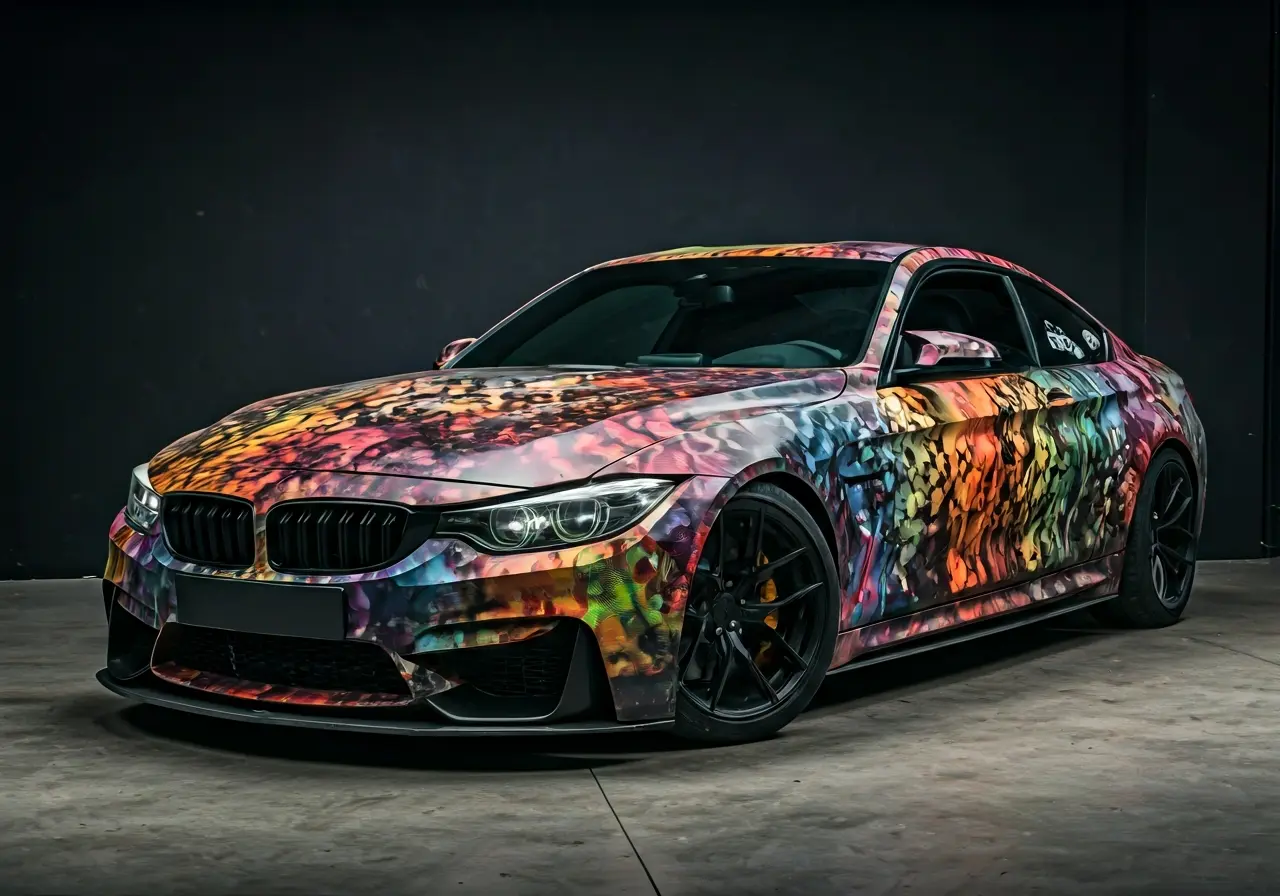
The versatility of auto wraps lies in their immense range of design possibilities. Whether you want a matte finish, gloss, metallic sheen, or even a custom graphic, wraps can deliver almost any visual effect you desire. The flexibility in design provides unique opportunities for vehicle personalization that paint alone cannot match.
Custom wraps can turn your vehicle into a work of art, capturing anything from intricate designs to high-quality images. This is particularly appealing to business owners seeking to promote their brand through eye-catching vehicle graphics.
Changing your vehicle’s look with wraps is a reversible process, perfect for individuals who love experimenting with styles. This non-permanent nature is a key factor that appeals to enthusiasts wishing to frequently refresh their vehicle’s look without a long-term commitment.
Pros and Cons of Auto Wraps
The benefits of auto wraps include cost efficiency, protection for the original paint, and the broad spectrum of design options. They allow car owners to express individuality while preserving the vehicle’s resale value. Additionally, the easy maintenance and potential for quick changes add to the appeal.
However, there are some considerations to keep in mind. Quality wraps can be susceptible to fading over time when exposed to harsh sun, and improper installation could result in air bubbles or peeling. Also, wraps might not provide the same level of permanence as paint for those looking for a long-term solution.
Ultimately, choosing between auto wraps and repainting depends on factors such as budget, design desires, and the intended use of the vehicle. For those looking to explore options, consider consulting experts like Los Angeles Auto Wraps to find the best fit for your vehicle needs.
Choosing Between Auto Wraps and Repainting
Deciding between auto wraps and repainting ultimately depends on your specific needs, budget, and aesthetic preferences. Auto wraps offer versatility and affordability, making them an attractive option for those looking for a temporary change or specific design needs. However, for those seeking permanence, repainting might still hold its charm. Consider all factors to make an informed decision that suits your vehicle and lifestyle.

