

Vehicle customization can make your car stand out and reflect your personal style, but how does it impact resale value? In this FAQ blog, we’ll explore the factors to consider and help you make informed decisions about customizing your vehicle.
What is Vehicle Customization?
Vehicle customization involves modifying a car to meet individual tastes and preferences. This can range from aesthetic changes like paint jobs and interior upgrades to performance enhancements.
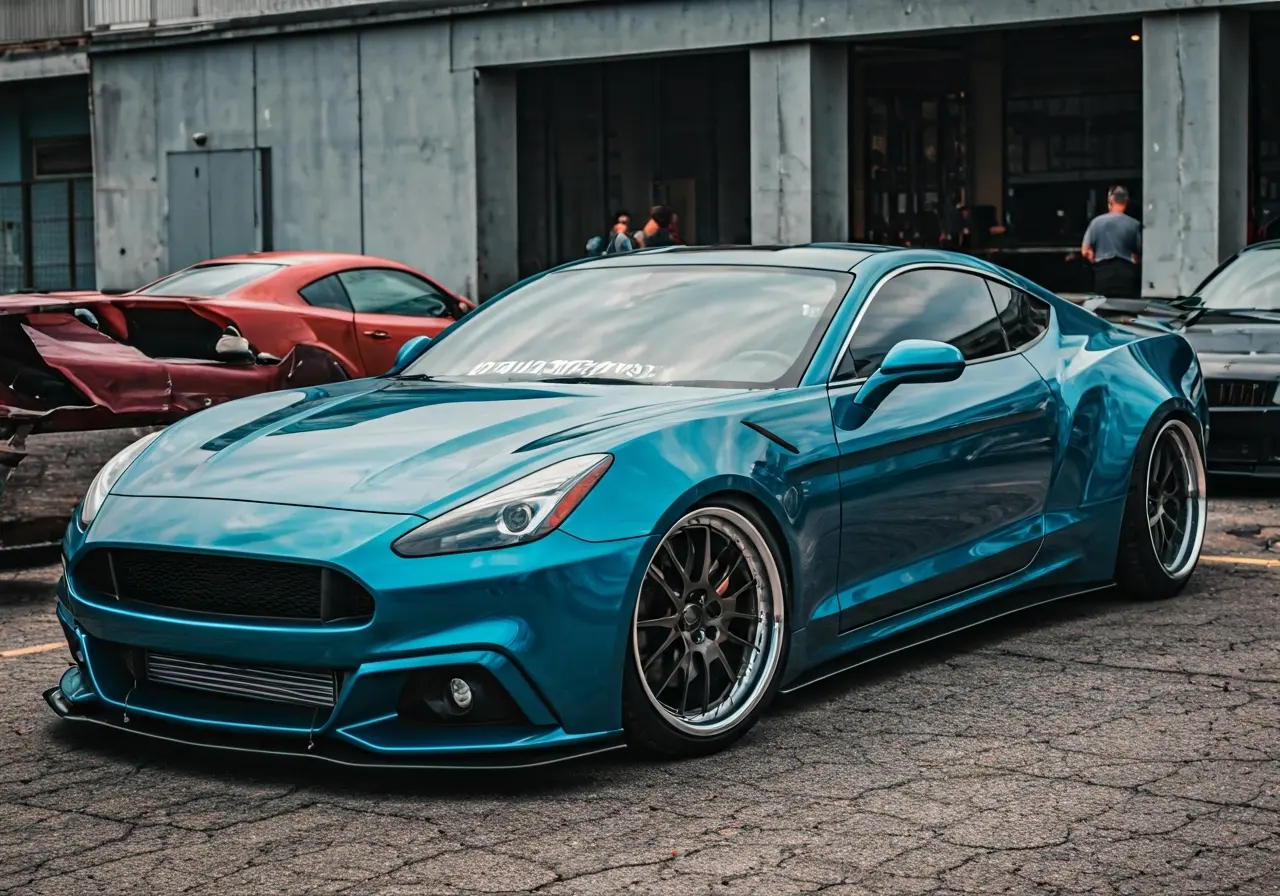
Every car owner has a unique vision for their vehicle, and customization provides an opportunity to express that vision. Modifications might include altering the body kit for a sportier look, upgrading the wheels for better performance or installing high-tech gadgets for added convenience. These changes can vary from subtle enhancements to complete transformations, depending on the owner’s personal style and budget.
Customization helps distinguish vehicles, making them an extension of the owner’s personality. Whether it’s a new sound system or sleek body decals, each choice reflects the owner’s lifestyle, turning the car into more than just a mode of transportation.
How Do Customizations Influence Resale Value?
Customizations can impact resale value both positively and negatively. Features with broad appeal might increase value, while highly specialized or extreme customizations could decrease it.
It’s essential to consider the preferences of potential buyers when customizing. While a powerful aftermarket turbo might boost performance, it could also raise concerns about engine wear for a new buyer. On the flip side, upgrades like a built-in GPS system or enhanced safety features are more likely to attract interest and boost the car’s value.
Customizations tailored too specifically to personal tastes may not appeal to everyone. For instance, a uniquely patterned paint job might be a passion project for you but could significantly narrow your pool of potential buyers. As such, striking a balance between personalization and marketability is key.
Which Customizations Add Value?
Upgrades such as advanced audio systems, high-quality window tinting, and tasteful interior modifications often add value. They improve the driving experience without being overly specific to the original owner’s taste.
Incorporating modern amenities that enhance comfort and convenience often increases a vehicle’s appeal. Features like leather seating, touchscreen infotainment systems, and wireless charging pads offer universal appeal, thereby boosting potential resale value.
Customizations that contribute to fuel efficiency or environmental sustainability are highly valued in today’s market. Investing in hybrid conversions or installing energy-efficient systems can attract eco-conscious buyers willing to pay a premium for these enhancements.
Which Customizations Could Decrease Value?
Custom modifications that greatly alter the car’s original aesthetics or performance, such as loud exhaust systems or non-standard paint colors, may deter buyers and reduce resale value.
Modifications that compromise a vehicle’s functionality or go against common design preferences can dramatically lower resale value. Lowering kits that affect ride quality or extreme body alterations that may not comply with regional traffic laws often ward off prospective buyers.
Astoundingly unique custom paint jobs or graphic wraps that might appeal to the owner’s specific tastes may not carry over to another buyer, potentially decreasing the vehicle’s appeal on the resale market.
Tips for Maintaining Resale Value with Customizations
Opt for reversible modifications, keep original parts where possible, and focus on upgrades that enhance the vehicle’s utility or appearance while maintaining a broad appeal.
When customizing, aim for upgrades that are easy to reverse or restore to factory condition. Using removable wraps for aesthetic enhancement is a perfect example – it offers flexibility and preserves the original paint.
Preserving original parts, such as wheels or stock audio equipment, can also provide assurances to buyers interested in an older yet original look, which often translates into maintained or enhanced resale value. Always keep receipts and documentation of modifications as well; they establish credibility and trust during resale negotiations.
Balancing Personalization with Resale Value
While vehicle customization can personalize your driving experience and make your car uniquely yours, it’s crucial to balance your creative desires with considerations about future resale value. Standard, reversible mods with broad appeal tend to preserve or even enhance value, while extreme customizations could deter potential buyers.

