

Curious about vinyl wraps? This versatile tool for customization is turning heads in industries from automotive to interior design. Let’s dive into the world of vinyl wraps and explore what they are, how they work, and why they’re a go-to choice for so many.
What Are Vinyl Wraps?
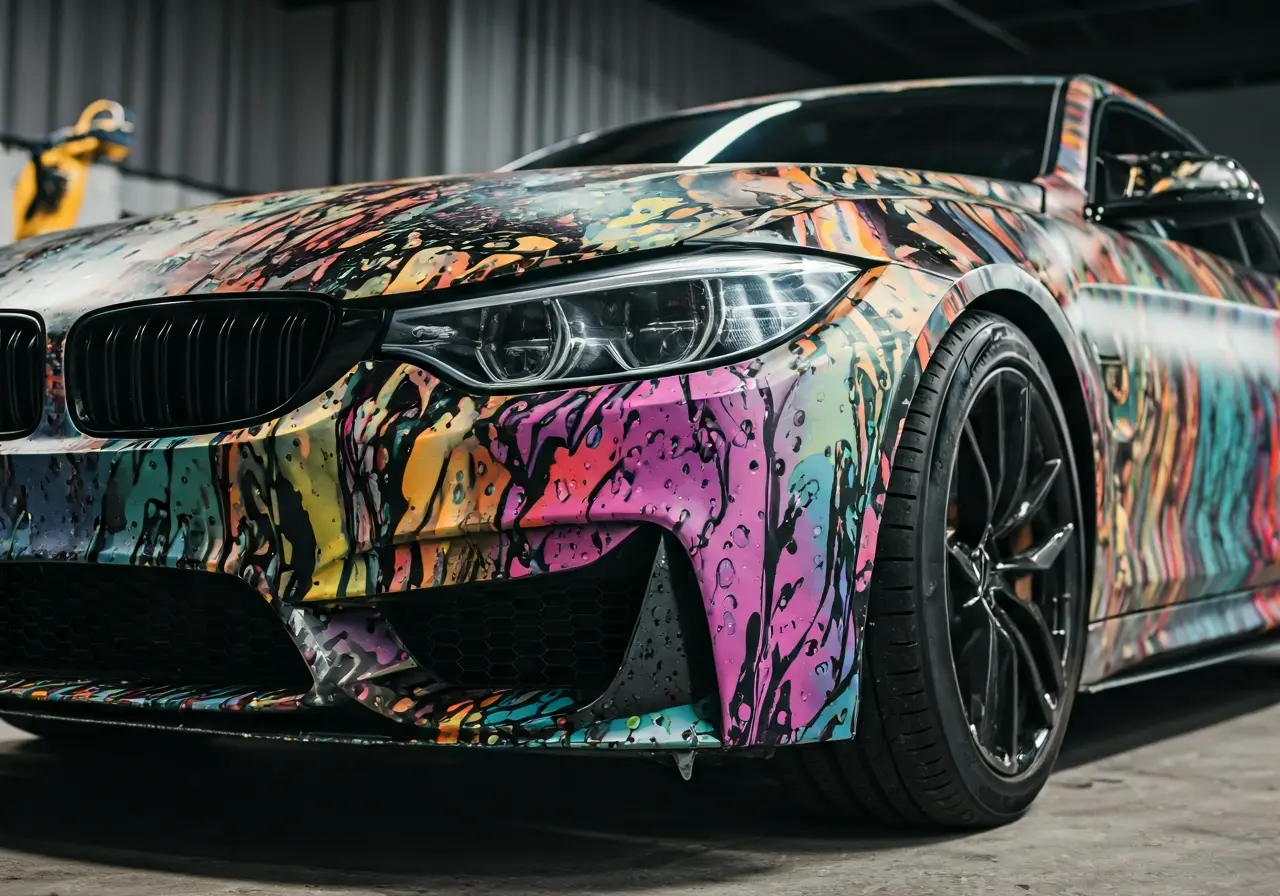
Vinyl wraps are large sheets of material used to cover surfaces, providing both protection and a fresh look. They’re commonly made from PVC and can mimic a variety of textures and colors, including matte, gloss, or even metallic finishes.
These versatile wraps are not just limited to enhancing aesthetics. They offer a convenient and cost-effective way to change the appearance of any object without the need for permanent alterations. This is particularly appealing for those who love to frequently change styles or need temporary branding solutions.
One key advantage of vinyl wraps is their ability to act as a protective layer, shielding the underlying surface from scratches, dust, and sun exposure. This is an invaluable feature for automobiles where paint preservation is crucial, not to mention the added resale value a well-maintained vehicle can command.
How Do Vinyl Wraps Work?
The application of a vinyl wrap involves carefully applying the material onto the surface you wish to cover. With the help of adhesive backing and heat application, the vinyl adheres smoothly to surfaces, creating a seamless finish.
An interesting aspect of vinyl wraps is the technology behind the adhesive. Designed to be pressure-sensitive, it allows for easy repositioning during the installation process. This ensures that even complex designs and intricate patterns align perfectly without air bubbles or wrinkles, giving a professional appearance every time.
Another fascinating aspect is how heat plays a role in the application. By using a heat gun, the vinyl becomes malleable and can be stretched to fit even the most challenging curves and crevices of a surface. This flexibility is especially useful in automotive applications where precision is crucial.
Benefits of Using Vinyl Wraps
Vinyl wraps offer a myriad of benefits: they allow for quick and easy customization, protect underlying surfaces from damage, and are relatively easy to remove and replace without damaging the original surface.
A major benefit is the cost-effectiveness of vinyl wraps compared to traditional paint jobs. Not only are they more affordable, but they also require less downtime, meaning you can refresh your vehicle or other surfaces in a fraction of the time.
Moreover, vinyl wraps are environmentally friendly compared to traditional paint methods, which often involve harmful chemicals and require extensive ventilation. Wrapping produces less waste and fewer volatile organic compounds, making them a more sustainable choice for environmental enthusiasts.
Common Uses for Vinyl Wraps
Popular in the automotive industry for vehicle graphics and color changes, vinyl wraps are also used in interior design, advertising, and personal electronics to provide protective and aesthetic solutions.
In the world of advertising, vinyl wraps revolutionize how businesses convey their message. From eye-catching vehicle graphics to storefront displays, the capability of wraps to produce vibrant colors and stunning designs makes them an integral part of modern marketing strategies.
Interior designers also leverage vinyl wraps to transform spaces. Whether it’s creating faux wooden textures or crafting feature walls, wraps are a preferred choice for designers looking to innovate without the commitment of traditional materials.
Installation Tips for Best Results
Ensuring a smooth application involves meticulous surface preparation, such as cleaning and smoothing out blemishes. Applying the wrap in a controlled environment and using the right tools, such as a heat gun and squeegee, will ensure optimal adhesion and finish.
Patience is key during installation. Taking the time to plan each step and not rushing through the process can save a lot of time and avoid costly mistakes. Start by tackling the flat surfaces before moving onto more complex areas to build confidence and skill.
Additionally, it’s crucial to keep the environment in mind. Ideal conditions would be dust-free, well-lit, and with moderate temperatures. Too hot or cold environments can affect the adhesive properties of the vinyl, leading to complications down the line.
Maintaining Your Vinyl Wrap
To extend the lifespan of a vinyl wrap, regular cleaning with gentle products and soft cloths is recommended. Avoid abrasive cleaners and frequent sun exposure to maintain the wrap’s appearance.
UV protection plays a significant role in maintaining the vibrancy of your wrap. Parking in shaded areas and using vinyl-friendly UV protectants can greatly reduce the fading effects of prolonged sun exposure, prolonging the beauty and durability of the wrap.
For those living in regions with harsh winters, it’s important to be mindful of road salt and snow. Frequent rinsing can prevent corrosion and buildup on the wrap, which can alter its appearance and integrity.
Wrapping It All Up: The Power of Vinyl Wraps
In summary, vinyl wraps are a fantastic option for anyone looking to refresh the appearance of surfaces or protect them from damage. With the knowledge of installation, care, and potential uses, you’re ready to explore the endless possibilities vinyl wraps have to offer.

