

Choosing between car wraps and traditional paint can be a tough decision for anyone looking to revamp their vehicle’s appearance. Both options have their unique benefits and considerations. In this FAQ blog, we’ll explore the key differences to help you make an informed choice.
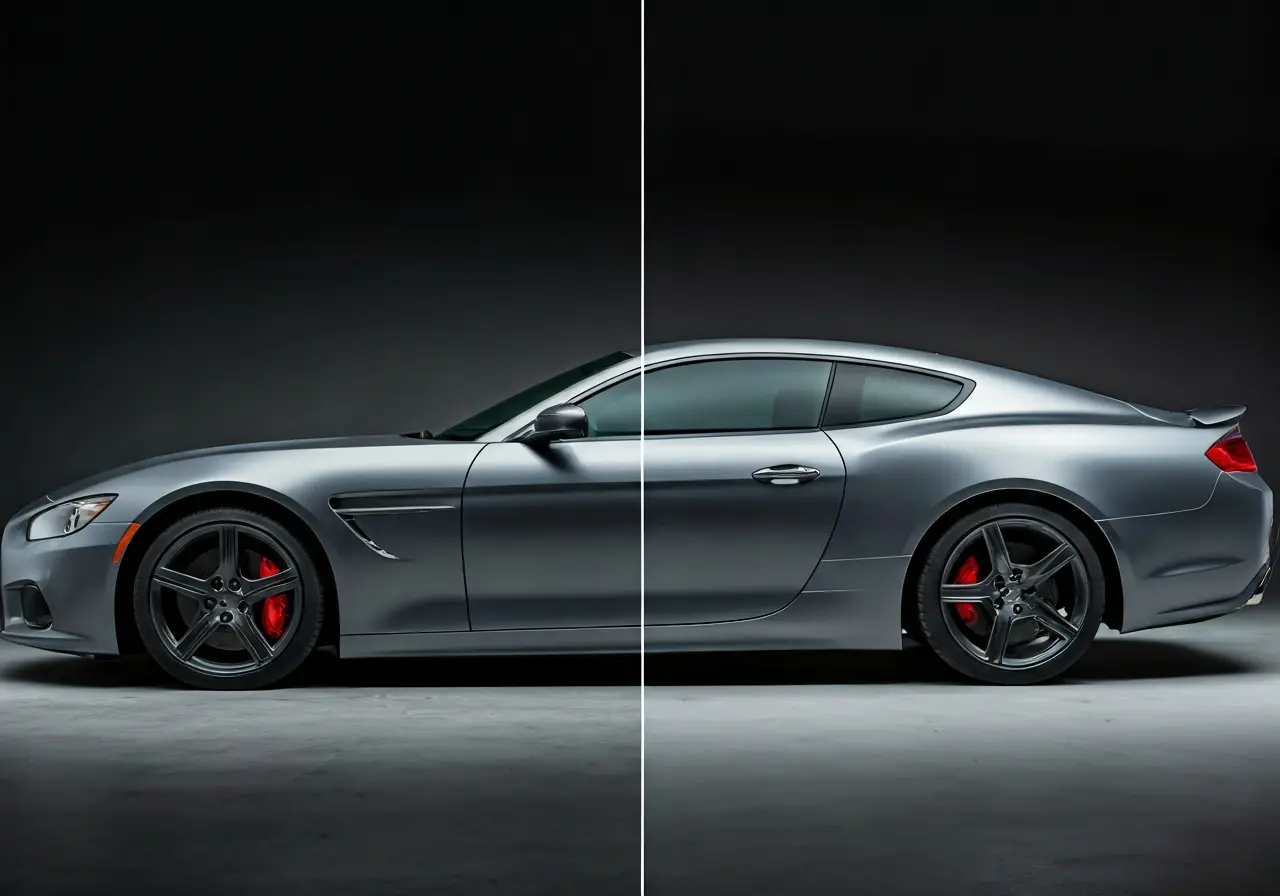
Understanding Car Wraps
Car wraps involve applying a vinyl film over the original paint of the vehicle. This process can change the color, texture, or even add patterns to the vehicle without permanent alteration.
The flexibility that car wraps offer is unmatched. Whether you’re interested in a matte finish, chrome effect, or an artistic graphic, the possibilities are extensive. For instance, you can transform your car’s look in a matter of hours, and the wrap can be removed without damaging the underlying paint, returning the vehicle to its original state.
Car wraps don’t just change the appearance of your vehicle; they also provide a layer of protection. The vinyl serves as a shield against small scratches and UV damage, preserving the integrity of the paint underneath. This can be particularly advantageous in protecting your vehicle from the elements and maintaining its value over time.
What Is Traditional Paint?
Traditional painting involves applying a new coat of paint directly onto the vehicle’s body, which can involve sanding and priming the surface. This provides a permanent change in the vehicle’s appearance.
The process of traditional painting is detailed and meticulous. It often requires precise preparation, including cleaning, sanding, and applying primer, followed by multiple layers of paint and clear coat. This attention to detail means that even though the process is time-consuming, the results are long-lasting and highly resilient.
While traditional paint doesn’t offer the same range of design flexibility as car wraps, it does provide a classic, glossy finish that many car enthusiasts adore. When done by professionals, a traditional paint job can enhance a vehicle’s aesthetic appeal and provide a durable layer against the external environment.
Key Differences in Cost
Car wraps are generally less expensive than traditional paint jobs. However, the price can vary depending on the quality of the wrap material and the complexity of the installation.
The cost-effectiveness of car wraps makes them an attractive option for many car owners. Typically, a full car wrap can start at a fraction of the cost of a high-quality paint job. This makes it an ideal choice for those looking for a budget-friendly way to revamp their vehicles without compromising on visual impact.
In contrast, traditional paint can be more costly due to the labor-intensive process and the need for high-quality paints and finishes to achieve that perfect finish. This is why many professional car enthusiasts reserve paint jobs for restorations or high-end custom projects where authenticity and a flawless finish are paramount.
Durability and Maintenance
Traditional paint tends to be more durable in the long run, particularly against scratches and chips. On the other hand, car wraps require careful maintenance to prevent peeling and can last between 5 to 7 years with proper care.
Maintaining a traditional paint job can sometimes demand more effort than a car wrap, especially if you want to keep that freshly painted look. Regular waxing and touch-ups are recommended to prevent fading and chipping.
Car wraps, despite needing somewhat more frequent attention, offer easy maintenance solutions, such as regular hand washes and occasional inspections for signs of damage. Should any part of the wrap get damaged, you can replace just the affected section rather than repaint the whole car, providing both convenience and cost savings.
Customization and Design Options
Car wraps offer greater flexibility in design, allowing for intricate graphics and detailed patterns that traditional paint cannot achieve. This makes them a great choice for businesses or those seeking unique designs.
The design possibilities with car wraps are virtually endless. You can opt for different finishes, from satin to gloss, and incorporate full photographic imagery into the design. This is why wraps are a popular choice among businesses seeking to brand their vehicles or individuals looking to express their personal style.
Traditional paint is more limiting in terms of complex designs due to the nature of the application. While you can achieve some custom looks through careful paint techniques, like airbrushing or pinstriping, it requires more skill and time.
Impact on Vehicle Resale Value
Car wraps can protect the original paint, potentially preserving the vehicle’s resale value. In contrast, repainting can sometimes affect the resale value if not done with high-quality materials and workmanship.
For those considering resale value, wraps offer a clear advantage. Since the original paint remains intact, and often well protected under the wrap, a simple removal of the wrap can reveal a nearly flawless paint condition, often making the vehicle more appealing to prospective buyers.
Repainting, if done poorly or with low-quality materials, can deter buyers who are concerned about the long-term implications on the car’s outer body. Always ensure that any repaint work is conducted by skilled professionals using premium materials to maintain or even enhance the vehicle’s market value.
Making the Right Choice for Your Vehicle
In conclusion, both car wraps and traditional paint have their distinct advantages, depending on your goals. Car wraps offer versatility and protection, while traditional paint provides a classic and durable finish. Consider your priorities, whether it be cost, durability, or customization, to choose the best option for your vehicle.

