

Car wraps have become an increasingly popular option for vehicle owners looking to change their car’s appearance without the permanence of paint. They offer versatility, customization, and protection all in one. If you’re wondering what car wraps are and how they work, you’re in the right place. In this post, we’ll break it all down for you in an easy-to-understand way.
What Are Car Wraps?
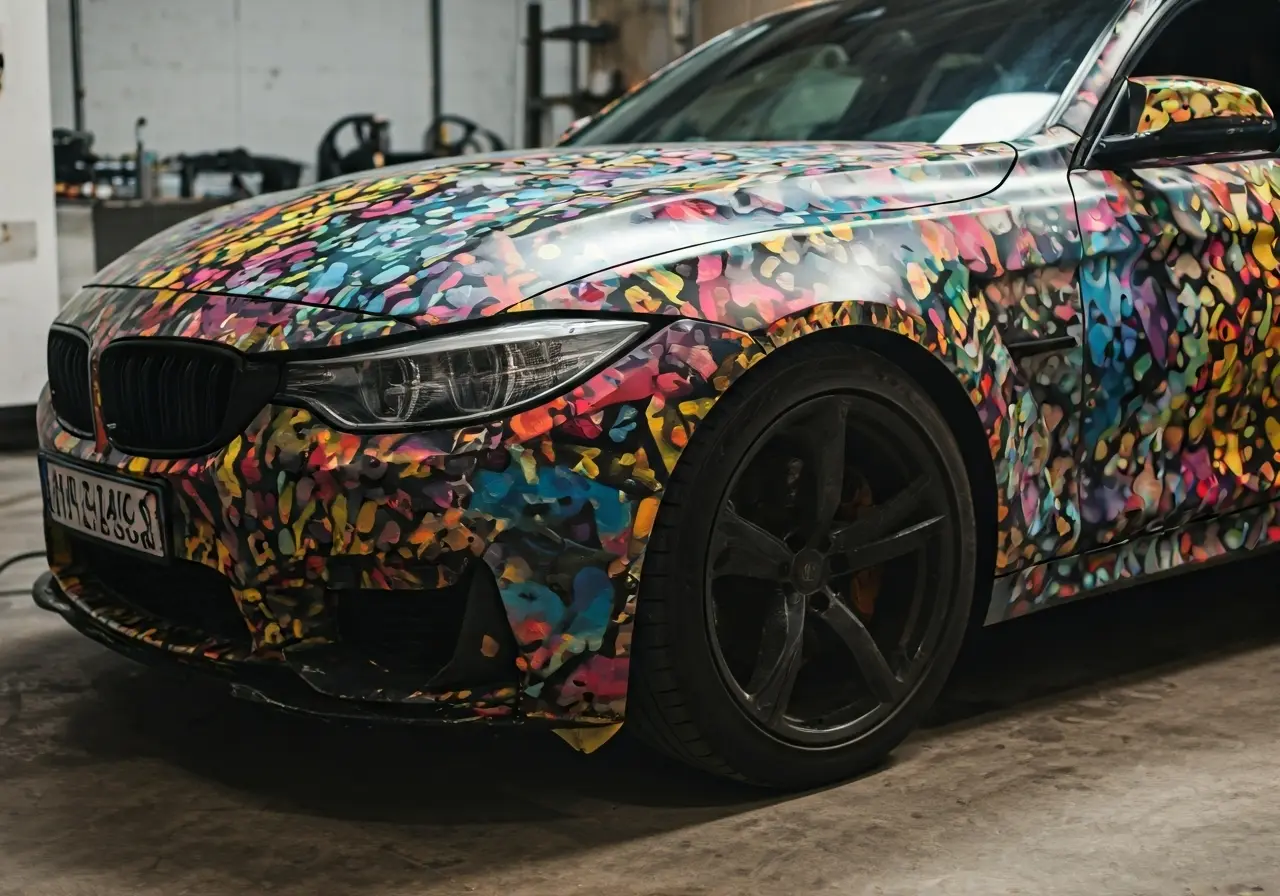
Car wraps are large sheets of vinyl film applied directly over the paint of a vehicle. They allow you to change the color, texture, or finish of the car without investing in a brand new paint job. This option is appealing for those wanting a temporary change, as wraps can be removed without causing damage to the original paint.
Unlike traditional paint jobs, car wraps offer a non-permanent solution which means they can be replaced or removed according to your preference. This feature makes them particularly attractive for individuals or businesses looking to maintain flexibility with their vehicle’s appearance.
The Types of Car Wraps
There are several types of car wraps available, including full wraps, partial wraps, and commercial wraps. Full wraps cover the entire exterior of the vehicle, while partial wraps cover specific areas. Commercial wraps are used for advertising purposes and often include logos, branding, and promotional graphics.
Choosing the right type of wrap largely depends on your needs. A full wrap is ideal if you’re looking for complete transformation, whereas partial wraps are perfect for subtle changes or budget-conscious projects. Commercial wraps convert your vehicle into a mobile billboard, helping businesses expand their visibility.
How Car Wraps Are Applied
The process begins with thorough cleaning and prepping of the vehicle’s surface to ensure a smooth application. The vinyl film is then precisely measured, cut, and carefully applied to avoid bubbles or creases. Skilled technicians use special tools to achieve a seamless finish, ensuring all edges and curves of the vehicle are perfectly wrapped.
Application time can vary based on the complexity of the wrap design, but typically, a full car wrap can be completed in one to two days. This swift transformation is one of the major appeals of opting for a vehicle wrap over a traditional paint job.
Benefits of Car Wrapping
Car wraps offer several benefits, such as protecting the original paint from minor abrasions and UV damage. They are also a cost-effective way to update the look of your vehicle and can be easily removed or changed when desired. Additionally, wraps allow for unique customization options that paint simply cannot achieve.
An often overlooked advantage of car wraps is their definite role in vehicle protection. The wrap acts as a barrier to minor scratches and sun damage, which preserves the car’s paint over time. This maintenance of the car’s original paint can enhance the vehicle’s resale value.
Maintenance and Care for Car Wraps
Maintaining a car wrap is relatively simple. Regular washing with non-abrasive soap, avoiding automatic car washes, and promptly cleaning bird droppings or tree sap can extend the life of your wrap. Proper care ensures it continues to look good and protect your vehicle effectively over time.
It’s essential to also watch out for high-pressure washing as it can peel the edges of the wrap. Hand washing or using soft brushes is always recommended to maintain the integrity and longevity of the wrap, keeping your vehicle looking pristine.
Wrapping it Up
Car wraps present a fantastic opportunity for vehicle owners to express their personal style while protecting their vehicle’s original paint. Whether you’re interested in a new look or advertising your business, car wraps offer a flexible, customizable, and non-permanent solution. Now that you know what car wraps are and how they work, you’re well-equipped to make an informed decision about whether they’re right for your vehicle. Consider visiting our homepage to explore how car wraps can elevate your vehicle’s appearance.

