

Window tinting can be a fantastic investment, offering privacy, protection from harmful UV rays, and an overall enhanced aesthetic for your vehicle or home. However, like any investment, it requires proper care to ensure it lasts as long as possible. Here are some expert tips to help you maximize the longevity of your window tinting.
1. Choose High-quality Films
Investing in high-quality tint films is essential for durability. Premium films are less likely to peel or fade over time, ensuring lasting performance. When selecting a film, consider factors like its thickness, adhesive quality, and UV resistance. Budget films might save you money initially, but their longevity and performance often pale in comparison to higher-end options. By choosing premium films, you enhance not only the lifespan of your tinting but also the overall value it adds to your vehicle or home.
2. Professional Installation Matters
For a flawless finish and longevity, opt for professional installation. Experts have the tools and skills to apply tint smoothly, reducing the risk of bubbles and peeling. This step is critical because improper application can lead to bubbling or distortion, which compromises both aesthetics and functionality. By hiring professionals, you ensure the tinting adheres correctly, establishing a stable foundation that withstands daily wear and tear. Moreover, many professional services offer warranties, giving you peace of mind with your investment.
3. Let It Cure Properly
After installation, allow the tinting to cure thoroughly. Avoid rolling down windows during this phase to prevent shifting or peeling. The curing process is vital as it allows the adhesive to bond securely to the glass, creating a robust barrier against environmental stresses. Typically, curing can take a few days to weeks, depending on climatic conditions. Patience during this period ensures that your tint reaches its full potential in terms of durability and aesthetic appeal.
4. Gentle Cleaning Practices
Use soft cloths and mild cleaners to clean tinted windows. Avoid abrasive tools or ammonia-based products that can damage the film. Microfiber cloths are ideal as they clean effectively without scratching the surface. When choosing a cleaner, opt for solutions specifically labeled as safe for tinted glass to protect your investment. Regular cleaning helps maintain the film’s clarity and extends its longevity by preventing the build-up of dirt and grime, which can gradually impair the tint’s function.
5. Regular Maintenance Checks
Periodically inspect the tint for any signs of wear or damage. Early detection allows for timely repairs, extending longevity. Check for tell-tale signs like bubbling, peeling, or fading. Small issues can often be addressed easily if caught early, preventing them from escalating into more significant problems. Establishing a routine for these checks not only prolongs the lifespan of your tint but also ensures that you continue to enjoy its aesthetic and protective benefits without interruption.
6. Avoid Direct Sunlight Exposure
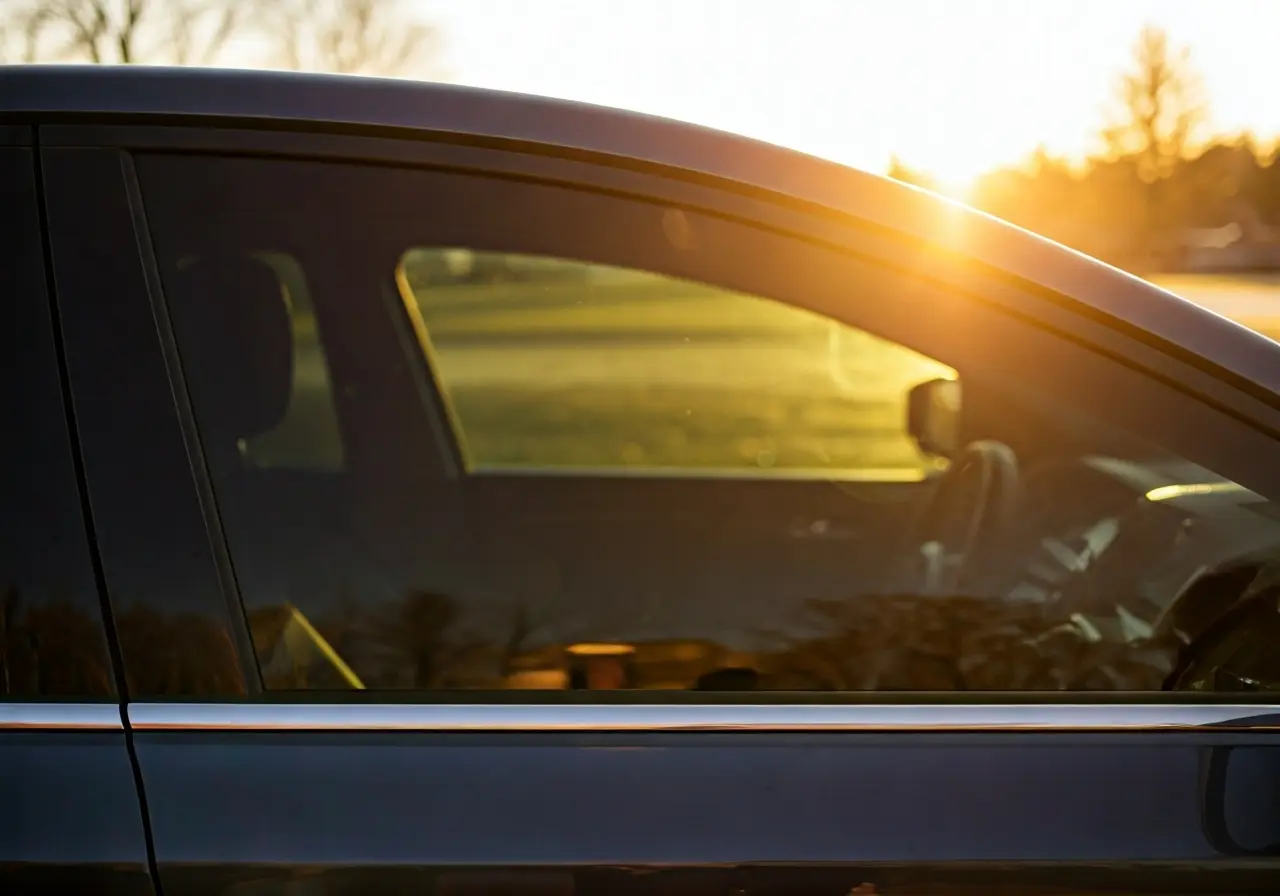
Parking in shaded areas can protect tint from constant UV exposure, which can cause fading and deterioration over time. Extended exposure to the sun can accelerate the breakdown of the film’s layers, leading to a reduction in its protective capabilities. Consider using sunshades or UV-protective covers if parking in shade isn’t an option. These measures can significantly help in preserving the tint’s effectiveness and aesthetic charm, ensuring that it remains a valuable feature of your vehicle or home for years to come.
7. Use Protectants and Sealants
Apply protectants specifically designed for window films to add extra layers of protection and reduce the effects of harsh elements. These products can guard against factors like excessive sun exposure, moisture, and airborne pollutants that might otherwise compromise the tint’s integrity. Regular application of these protectants acts as a preventive measure, enhancing the tint’s resilience and maximizing its lifespan significantly. Protectants and sealants also help in preserving the aesthetic quality of the tint, keeping it looking new and vibrant.
8. Temperature Control
Avoid extreme temperature changes by gradually heating or cooling your vehicle or room. This prevents stretching or warping of the film. Sudden temperature shifts can strain the adhesive, causing it to weaken or bubble. To mitigate these effects, try to maintain a moderate internal temperature, especially during extreme weather. Utilizing climate control systems wisely is crucial in achieving a consistent environment, which in turn supports the durability and effectiveness of your window tint.
9. Handle Defects Promptly
Address any bubbling, peeling, or cracking immediately. Professional repair or replacement can save your entire tinting from failure. Failure to fix such issues early on can result in the need for more extensive repairs or even complete reinstallation. By taking swift action, you can maintain the protective and aesthetic qualities of your window tint, ensuring you continue to enjoy its full range of benefits.
10. Educate Yourself About Tinting Laws
Understanding local tinting regulations ensures you maintain legal and safe window tints, preventing unnecessary alterations. Each region has specific laws regarding the darkness and reflectivity of window tints, which are essential to know to avoid fines or mandatory removal. Familiarizing yourself with these regulations will help keep your tinting solutions compliant and legally sound, allowing for continuous enjoyment of the added privacy and sun protection they afford.
11. Avoid Sharp Objects Near Windows
Be cautious with items like seatbelt buckles or keys to prevent scratching, which can lead to weakening or tearing of the tint. Even a small nick or scratch can impact the integrity of the film, compromising its overall effectiveness. By keeping sharp objects away from tinted areas and exercising care during day-to-day use, you maintain the film’s sturdiness and visual appeal, prolonging its lifespan.
12. Consider Protective Films for Added Durability
Layering protective films over your tint can provide additional resistance against environmental factors, boosting longevity. These films act as a primary shield against debris, UV rays, and other damaging elements. By investing in an additional layer of protection, you bolster the tint’s defenses against everyday wear and tear while enhancing its durability and functionality, ensuring it continues to serve its purpose effectively over an extended period.

